
9 Pro Tips for a Successful Concrete Pool Installation
Installing a pool is a major home project—especially a custom concrete pool installation designed to last for decades.
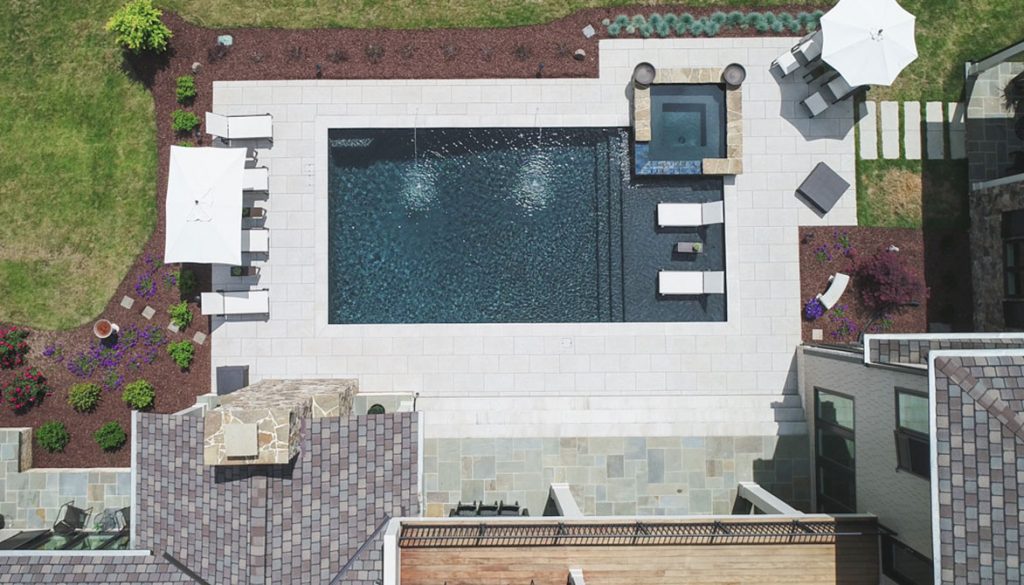
To help prepare homeowners across the Triangle area for the road ahead during the pool construction process, our concrete pool builder is sharing the essential information needed to help avoid delays, surprises, and design regrets. Use this guide to help your custom concrete pool project run smoothly from start to finish.
1. Start With the Right Raleigh Pool Builder
The ideal Raleigh pool builder will bring technical skill and design awareness to the project. Local experience matters, but so does the ability to translate how you want your pool to look, feel, and function in your everyday life. That balance means finding someone who understands technical construction factors like soil conditions, grading, drainage, and permitting, while also accounting for layout, proportions, finishes, and how the pool fits naturally into your property.
2. Understand Why Gunite Pool Installation Takes Planning
Unlike fiberglass or vinyl pools that arrive pre-manufactured, a concrete pool installation is built entirely on site. After excavation, the pool’s shape, depth, and features are formed and reinforced before concrete is applied, allowing adjustments to be made during construction rather than being locked into a pre-set mold.
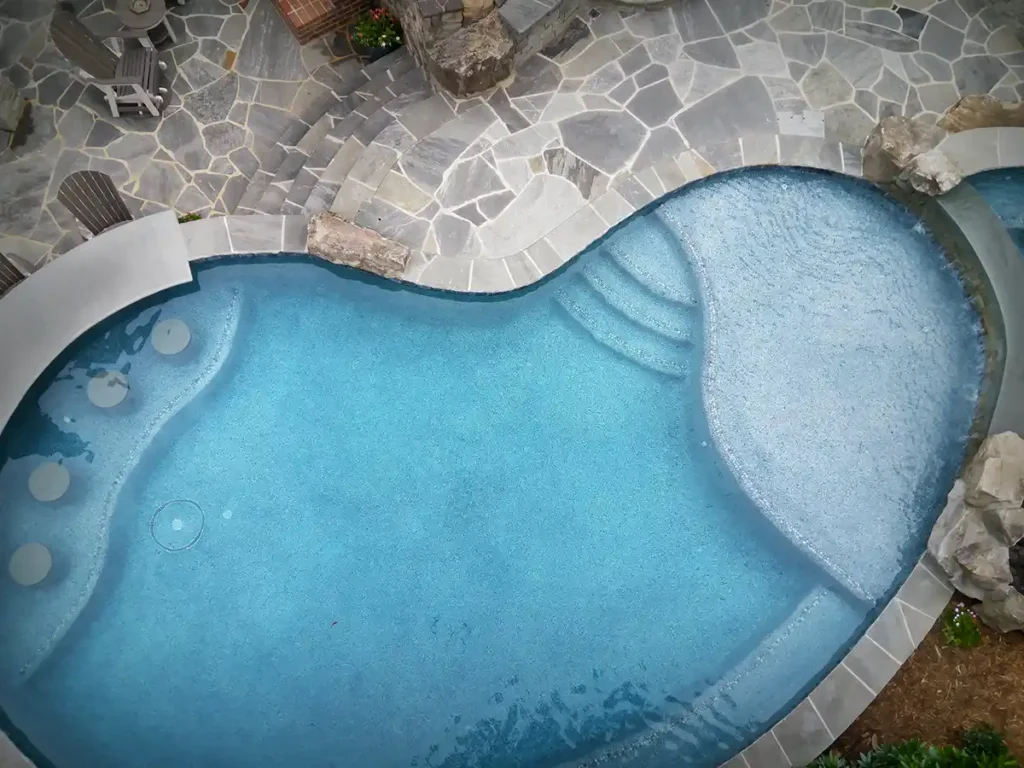
Because the concrete is placed over a custom steel framework, homeowners can incorporate details such as:
- Custom depths and dimensions
- Integrated spas, benches, and sun shelves
- Smooth transitions between the pool, decking, and surrounding outdoor spaces
This on-site construction process is what gives gunite pools their flexibility. However, this also means planning, sequencing, and timing for your custom pool project are especially important.
3. Choose the Right Pool Style for Your Property
The choice of your new pool’s style should be driven by how your outdoor space functions and how you plan to use the pool. Concrete pool construction offers a wide range of design approaches, but certain styles lend themself to specific property layouts.
Common concrete pool styles include:
- Modern pool designs are defined by clean lines, geometric layouts, and minimal detailing. A modern pool complements newer or renovated homes and pairs well with clean, low-profile pool edges, integrated lighting, and natural material palettes.
- Freeform concrete pools use softer curves to blend naturally into larger yards or landscaped settings while still offering the durability of concrete construction.
- Transitional pool designs balance structured lines with subtle curves, creating a versatile look that works across a wide range of home styles.
If you are unsure which pool design will work best and fit your aesthetic preferences, you can browse our project gallery for ideas, then discuss custom options during your design consultation with our Raleigh pool builder.
4. Plan Your Add-On Features Early
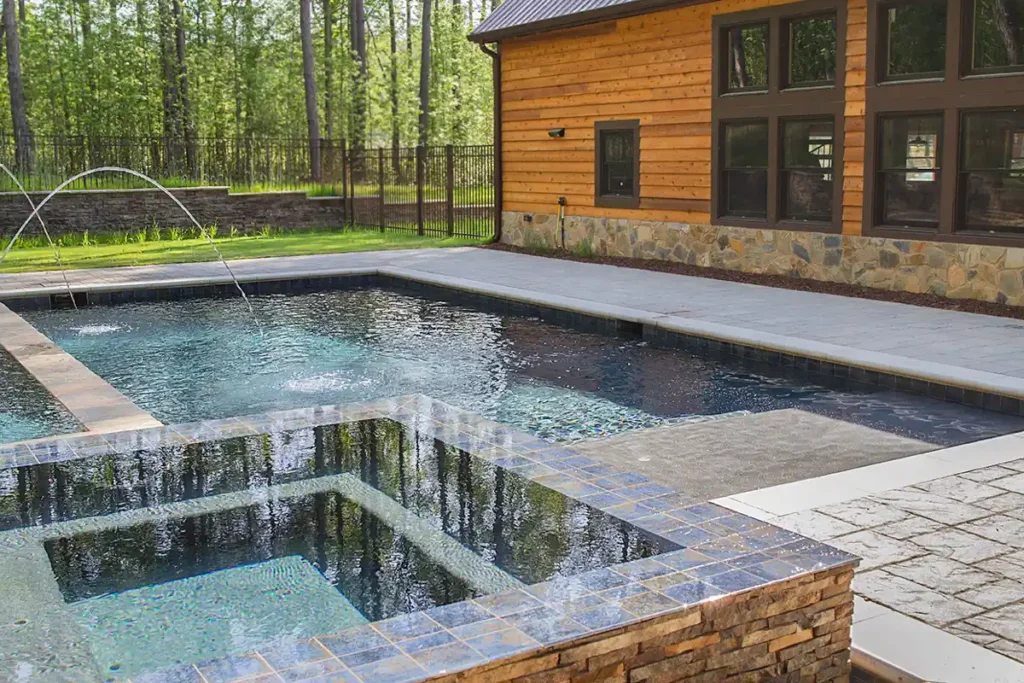
Many of the pool’s features need to be engineered into the shell during gunite pool installation, not added later. Adding these features early prevents redesign delays and mid-project cost adjustments.
Common requests include:
- Integrated spas
- Water features
- Tanning ledges
- Built-in steps and benches
- LED lighting for evening use
5. Be Strategic About Pool Placement
The placement of your pool impacts its usability more than most homeowners expect.
Key factors that are often overlooked are:
- Sun exposure throughout the day
- Tree coverage and debris management
- Drainage and grading
- Distance from the home for plumbing and electrical runs
An experienced Raleigh pool builder will help position your pool to minimize long-term maintenance while maximizing its enjoyment.
6. Plan for How the Pool Will Be Used Day to Day
A well-designed gunite pool installation isn’t just about how the pool looks on completion day. It’s about how it functions once it becomes part of your routine. Thinking through daily use early in the planning stages helps avoid small design frustrations that are hard to change later on. For Raleigh area homes, pools are often paired with patios, grills, or enhanced outdoor living spaces.
Consider:
- Who will use the pool most often (adults, children, guests)
- Whether the pool is meant for relaxation, entertaining, exercise, or a mix
- How seating, entry points, and shallow areas support those uses
7. Expect Permit and Inspection Requirements
Every concrete pool installation in Raleigh and the surrounding areas of Wake County requires permits and inspections. These steps are unavoidable and necessary.
A professional gunite pool builder should:
- Handle submissions and scheduling
- Communicate expected approval timelines
- Coordinate inspections without stalling construction
8. Know What Construction Will Look Like Day-to-Day
A gunite pool installation is not a quiet project. Excavation, shell forming, placement of components, and concrete application all take time. Reputable pool builders will plan carefully to keep projects moving efficiently, even when local weather is unpredictable.
Expect:
- Temporary yard disruption
- Equipment access needs
- Weather-related schedule adjustments
9. Learn Basic Pool Safety and Maintenance Expectations
Pools are long-term investments, and understanding the safety and upkeep commitment early prevents regret down the line. The U.S. Consumer Product Safety Commission provides general information on pool safety, including resources on fencing, alarms, and supervision guidelines. Additionally, your builder should explain routine maintenance needs before construction is complete.
Schedule a Design Consultation with Bella Pools by Design
A successful concrete pool installation isn’t about rushing; it’s about informed decisions made early. To schedule a design consultation with our experienced concrete pool builder, John Delaforce, call (919) 465-1965 or fill out our contact form to reach a member of our team.
© 2026 Bella Pools by Design. All Rights Reserved.
SEO + Internet Marketing by TheeDigital